
How a Restaurant Website Increases Reservations and Online Orders
A restaurant website is more than a digital presence — it’s a powerful tool to increase reservations, boost online food orders, and build customer loyalty. This guide explores how effective website design, mobile-friendly booking, online ordering, high-quality visuals, and local SEO can help restaurants attract more diners and grow revenue.

In the modern dining industry, a restaurant’s website has become much more than just an online presence. It serves as a digital front door that allows potential customers to explore your menu, understand your brand, and ultimately decide to make a reservation or place an order. Unlike social media profiles or third-party delivery apps, your website is fully under your control and acts as the main platform to convert visitors into loyal patrons.
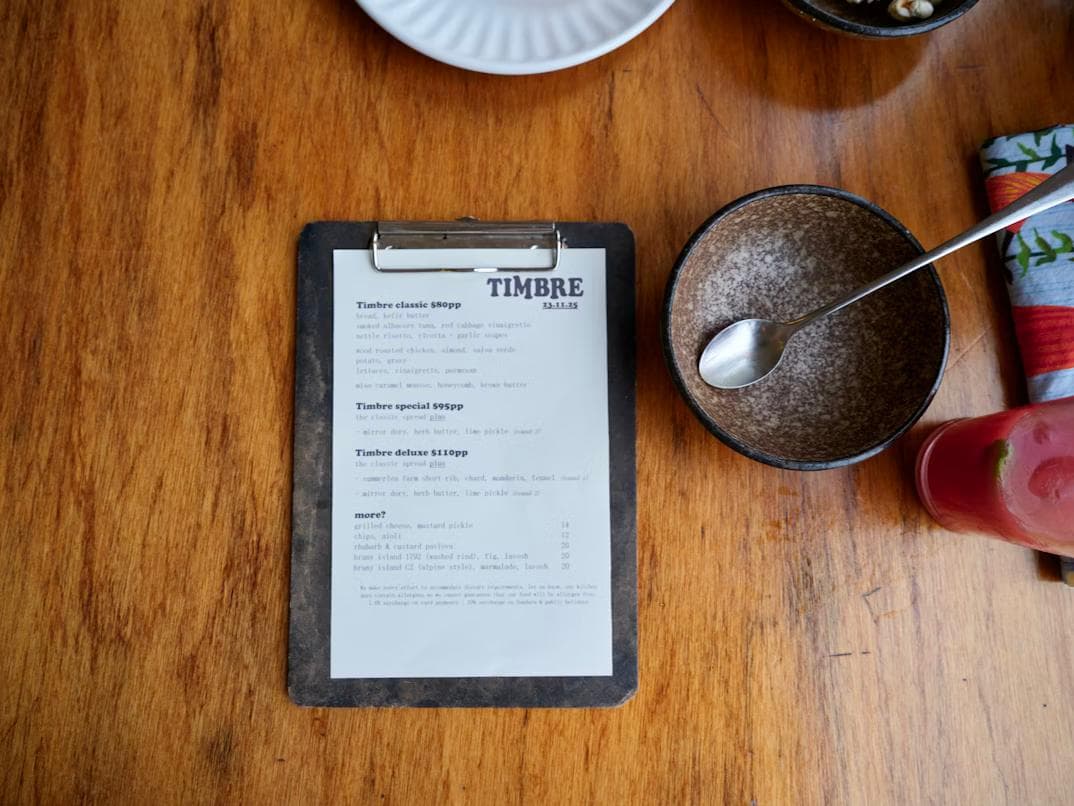
A well-designed restaurant website can increase reservations and online orders by providing a smooth, fast, and visually appealing experience. From clear navigation to compelling visuals, every element contributes to a visitor's decision to engage with your restaurant.
Why a Restaurant Website Is Critical for Business Growth

A restaurant website is no longer optional. Customers expect immediate access to menus, high-quality photos, and easy ways to make reservations or place orders. Without a functional website, a restaurant risks losing diners to competitors with more accessible digital solutions.
Imagine a customer scrolling on their phone while looking for a place to eat. They want to know what you offer, see pictures of your dishes, and find out if they can reserve a table or order online. If your website is slow, outdated, or confusing, they will move on to the next option.
Strong imagery, such as professional food photos and interior shots, makes a significant difference in user engagement. Even a single high-quality image can make a visitor more interested in exploring the menu and ultimately booking a table.
How a Restaurant Website Drives More Reservations
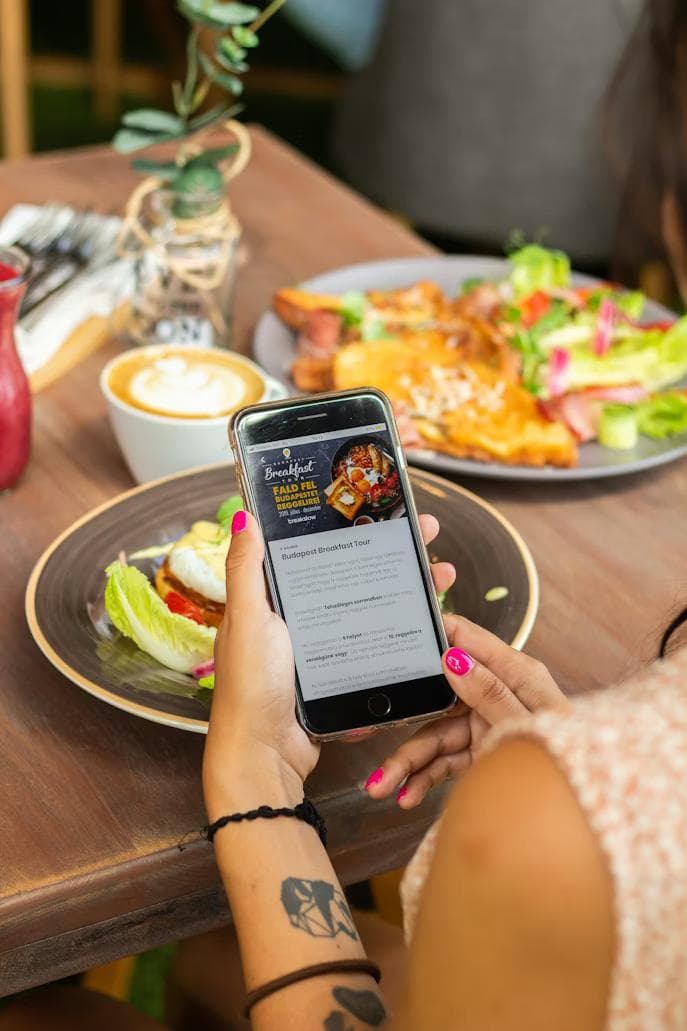
Reservations are a crucial metric for most restaurants, and a thoughtful website design can dramatically increase the number of tables booked. The key is simplicity and clarity. The booking process should be visible and accessible from any page. Visitors should never have to hunt for a reservation form or contact information.
Mobile optimization is equally important. Most diners browse and book tables on their phones. A website that adapts seamlessly to mobile devices ensures that visitors can reserve a table quickly without frustration. Integrating modern booking systems, such as OpenTable or Resy, not only makes the process smoother for customers but also helps your staff manage reservations efficiently. With automated confirmations and real-time availability, both diners and restaurant staff benefit from a more streamlined process.
How a Website Increases Online Food Orders
Online ordering has become a standard expectation. A restaurant that provides direct online ordering through its website avoids high commission fees from third-party platforms and gains direct access to customer data. This allows restaurants to provide better service, offer promotions, and maintain control over pricing.
Menus on the website should be visually appealing and informative. Descriptions of dishes, authentic food photography, and clear pricing make it easier for visitors to choose what they want. Highlighting recommended or popular items can subtly guide choices, improving order values without overwhelming the visitor.
The checkout process should be fast and intuitive. Complicated forms or multiple pages can frustrate customers and result in abandoned orders. Ideally, online ordering should be a seamless experience, allowing visitors to place their order in just a few clicks.
SEO Benefits for Restaurants
Beyond reservations and orders, a restaurant website plays a crucial role in search engine optimization. Local SEO ensures your restaurant appears in searches like "Italian restaurant near me" or "best coffee shop downtown." Optimized content, structured menus, and location pages improve your visibility on Google Maps and organic search results.
A website designed for SEO not only attracts new customers but also builds credibility. High search rankings signal reliability, professionalism, and quality to potential diners. This means more traffic, more reservations, and more orders — all without additional advertising costs.
Features That Improve Conversions
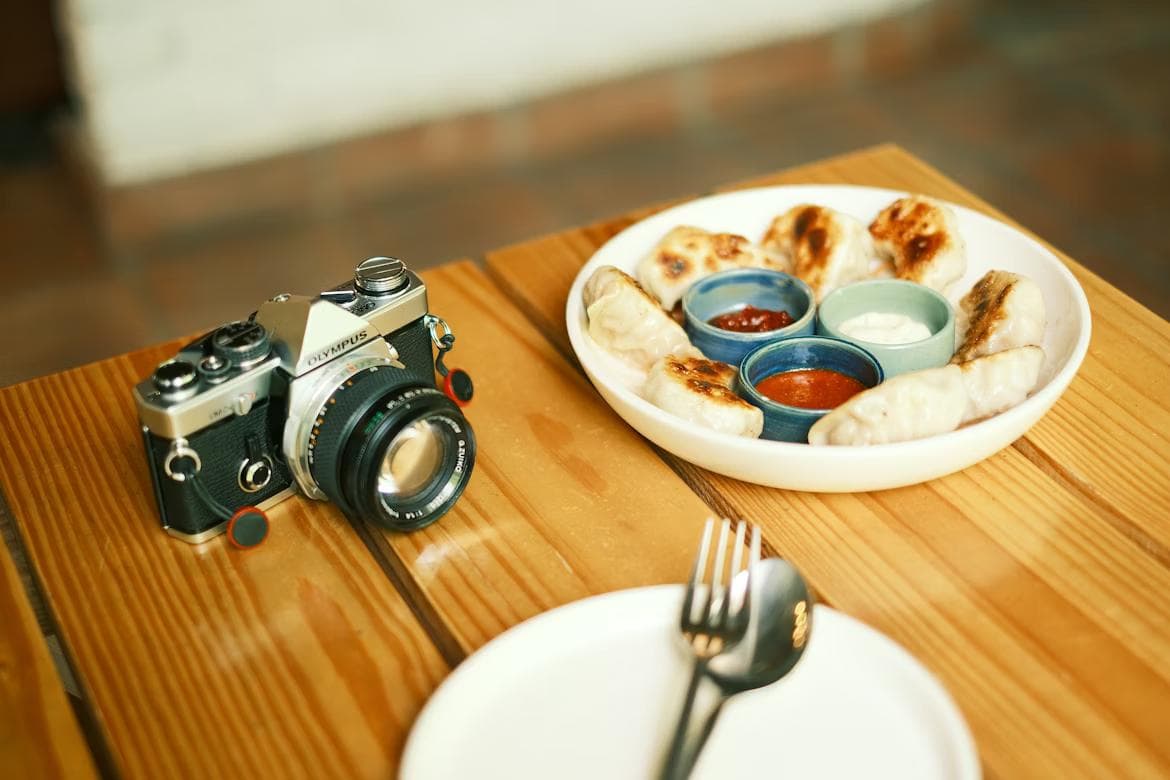
High-quality photography and engaging content are essential, but there are other subtle features that can significantly boost conversions. Customer testimonials and social proof reassure visitors, making them more likely to choose your restaurant over competitors. Clear contact information, including address, phone number, and opening hours, ensures visitors can reach you quickly.
Every element of the website should guide the visitor naturally toward making a reservation or placing an order. From visually distinct call-to-action buttons to concise and readable copy, the website should communicate your restaurant’s value in a friendly and persuasive manner.
Common Mistakes Restaurants Make on Their Websites
Even well-known restaurants often lose potential business due to avoidable website issues. Slow-loading pages, poorly formatted mobile views, and hidden booking options can deter visitors instantly. Ensuring your website is fast, mobile-friendly, and easy to navigate is essential to convert traffic into actual sales.
Why Every Restaurant Needs a High-Converting Website
A restaurant website is much more than a digital brochure. It is an essential tool for increasing reservations, boosting online orders, and building long-term customer relationships. A well-crafted website, complete with engaging visuals, clear navigation, and optimized content, ensures that your restaurant can capture interest, convert visitors, and thrive in a digital-first world.
A restaurant that invests in its website creates a lasting impression and ensures that diners can enjoy your offerings even before they step through the door.